

The Godship of Christ — Part 3: Christ the Head, the Judge, and the High Priest
In Parts 1 and 2 of The Godship of Christ series, we explored the identity of Jesus Christ, beginning with His divine origin as the eternal Spirit, YHWH, God the Son, and examining who He was in His humanity.
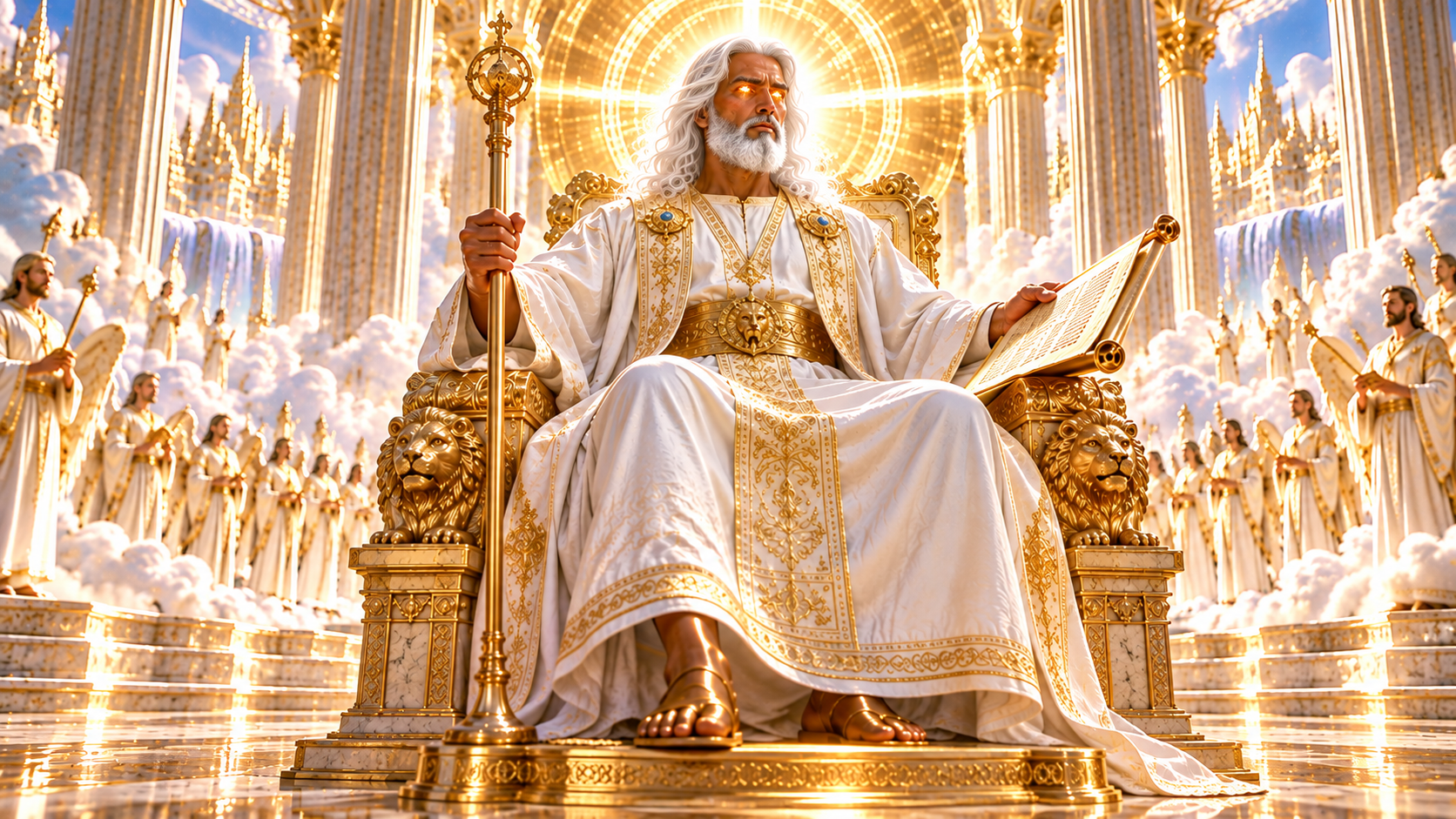
In this final installment, we will examine Jesus as the Christ and explore how He currently exercises His divine authority through His offices as Head, Judge, and High Priest.
Christ the Head
Two common objections to the Trinitarian faith are the claims that Jesus is not God or that Jesus is the Father Himself, rather than a distinct divine person.
As established in Part 1 of this series, one of the defining attributes of Godship is authority, or headship.
In examining the biblical principle of headship, three important truths emerge:
A body has one head.
Headship operates within an established order of authority.
Authority is not usurped; it is given.
If, as some non-Trinitarian doctrines suggest, Jesus is the Father Himself, then He would effectively be His own head, operating solely under His own authority. Scripture, however, presents a different picture.
Throughout the Gospels, Jesus consistently acknowledges the Father as His God and the source of His authority. Many theological traditions recognize this relationship in the context of His humanity. However, Scripture also reveals that even in His exalted position as Christ, Jesus remains under the authority of the Father.
The apostle Paul makes this distinction clear in 1 Corinthians 11:3 (KJV):
"But I would have you know, that the head of every man is Christ; and the head of the woman is the man; and the head of Christ is God."
How, then, can Jesus be God if God is His head?
The same verse provides an important part of the answer: God is the head of Christ, but Christ is our head.
The distinction is one of divine order and authority, not a denial of Christ's Godship.
To possess divine authority and exercise headship over creation is among the highest expressions of spiritual rank revealed in Scripture.
During His earthly life, Jesus humbled Himself, taking on human nature and becoming lower than the angels for the suffering of death (Hebrews 2:9; Philippians 2:6–8).
But following His resurrection, the Father exalted Him to a position of supreme authority.
Christ declared:
"All power is given unto me in heaven and in earth." — Matthew 28:18 (KJV)
God exalted Jesus above the angels (Hebrews 1:4–6) and seated Him at His right hand, far above all principality, power, might, dominion, and every name that is named (Ephesians 1:20–22).
The same Christ through whom the foundations of creation were laid now reigns over that creation in divine authority (Hebrews 1:8–10).
Christ is our God and our Head, exercising authority over heaven and earth under the divine order established by the Father.
Christ the Judge
Another defining attribute of Christ's Godship is His authority to judge.
During His earthly ministry, Jesus did not come to condemn the world but to save it (John 3:17). Nevertheless, He made it clear that the Father had entrusted judgment to Him.
In John 5:22–30, Jesus reveals that the Father has committed all judgment to the Son and given Him authority to execute it.
This authority is also affirmed in Acts 10:42 and 2 Timothy 4:1, where Christ is identified as the One appointed to judge the living and the dead.
Yet, many believers gravitate toward doctrines that emphasize only the attributes of Christ they find comforting: His love, mercy, forgiveness, and salvation.
While these truths are essential to the Gospel, they do not represent the entirety of who Christ is.
The same Jesus who extends mercy also possesses the authority to execute righteous judgment.
The same Christ who forgives sin will ultimately judge those who reject His truth.
Any doctrine that deliberately removes or distorts essential attributes of Christ fails to present the fullness of His identity as revealed in Scripture. A teaching that denies the biblical Christ stands in opposition to the truth concerning Him.
We cannot embrace Christ as Savior while dismissing His authority as Judge.
Jesus Christ is both the Justifier and the Judge.
His mercy does not eliminate His justice, and His justice does not diminish His mercy. Both reveal the fullness of His divine character.
Christ the High Priest
Although Christ will execute final judgment, He presently ministers on behalf of believers as our heavenly High Priest.
Through His sacrifice and continuing intercession, He provides forgiveness, cleansing, and reconciliation for those who come to God through Him.
However, the priesthood of Christ differs fundamentally from the Levitical priesthood established under the Law of Moses.
Several characteristics distinguish His priesthood:
1. His priesthood is grounded in His suffering and identification with humanity.
Jesus experienced human weakness, suffering, and temptation, yet remained without sin. Because He understands the struggles of those He represents, He is a merciful and faithful High Priest who can help those who are tempted (Hebrews 2:17–18; 4:14–16).
2. He is completely holy and without sin.
Unlike the priests of the Old Testament, who had to offer sacrifices for their own sins, Jesus has no personal sin requiring atonement. He is holy, harmless, undefiled, and separate from sinners (Hebrews 7:26–27).
3. His sacrifice is perfect, complete, and sufficient.
Under the old covenant, priests offered sacrifices repeatedly. Christ, however, offered Himself once for sins, accomplishing what those repeated sacrifices could never fully achieve (Hebrews 10:11–14).
His sacrifice does not need to be repeated.
4. His priesthood extends beyond one nation or ethnic group.
The priesthood under the Law of Moses was specifically established within Israel's covenant system. Christ's sacrifice, however, is sufficient for the sins of the whole world, making salvation available to people of every nation and background (1 John 2:2; Revelation 5:9).
5. His priesthood operates from His exalted position in heaven.
Christ does not minister in an earthly sanctuary. He is seated at the right hand of the throne of the Majesty in heaven, serving as the minister of the true sanctuary (Hebrews 8:1–2).
Furthermore, His priesthood is everlasting. He continues to intercede for those who approach God through Him (Hebrews 7:24–25).
This is what makes the High Priesthood of Christ extraordinary.
The One who possesses the authority to judge humanity is the same One who presently intercedes for humanity.
He is not merely waiting to execute judgment. He is actively ministering on behalf of those who belong to Him.
Conclusion: The Fullness of Christ's Godship
As we conclude this series, it is important to recognize how believers benefit from the fullness of Christ's Godship.
Perhaps one of the most remarkable truths about serving Jesus Christ is that the God who has authority to judge us is also the God who offers to forgive, cleanse, restore, and save us.
He is our Head, and we are His body.
He is our Judge, yet He has made a way for us to receive mercy.
He is our High Priest, continually interceding on behalf of those who come to God through Him.
While we await His glorious return, Christ continues His heavenly ministry, advocating for us and extending forgiveness and restoration when we repent.
As members of His body, under His divine headship, we have access to His life, the cleansing power of His blood, and the inheritance secured through Him.
His authority is supreme. His judgment is righteous. His priesthood is everlasting. His mercy is abundant.
This is the fullness of the Godship of Jesus Christ: our Head, our Judge, and our eternal High Priest.
And when we truly understand who He is and all that He has made available to us, one question remains:
Who wouldn't want to serve a God like Christ Jesus?
